Fast Sod Installation Near Me with Proven Results
Sod Laying 101: Creating a Perfect Green Lawn
For achieving that flawless green lawn, sod installation is your best bet. First, determine which type of grass flourishes in your local climate. Thorough soil preparation is just as important; it forms the foundation for your new lawn. However there's much more than just placing strips of grass. We'll explore the essential steps that will lead to your success.
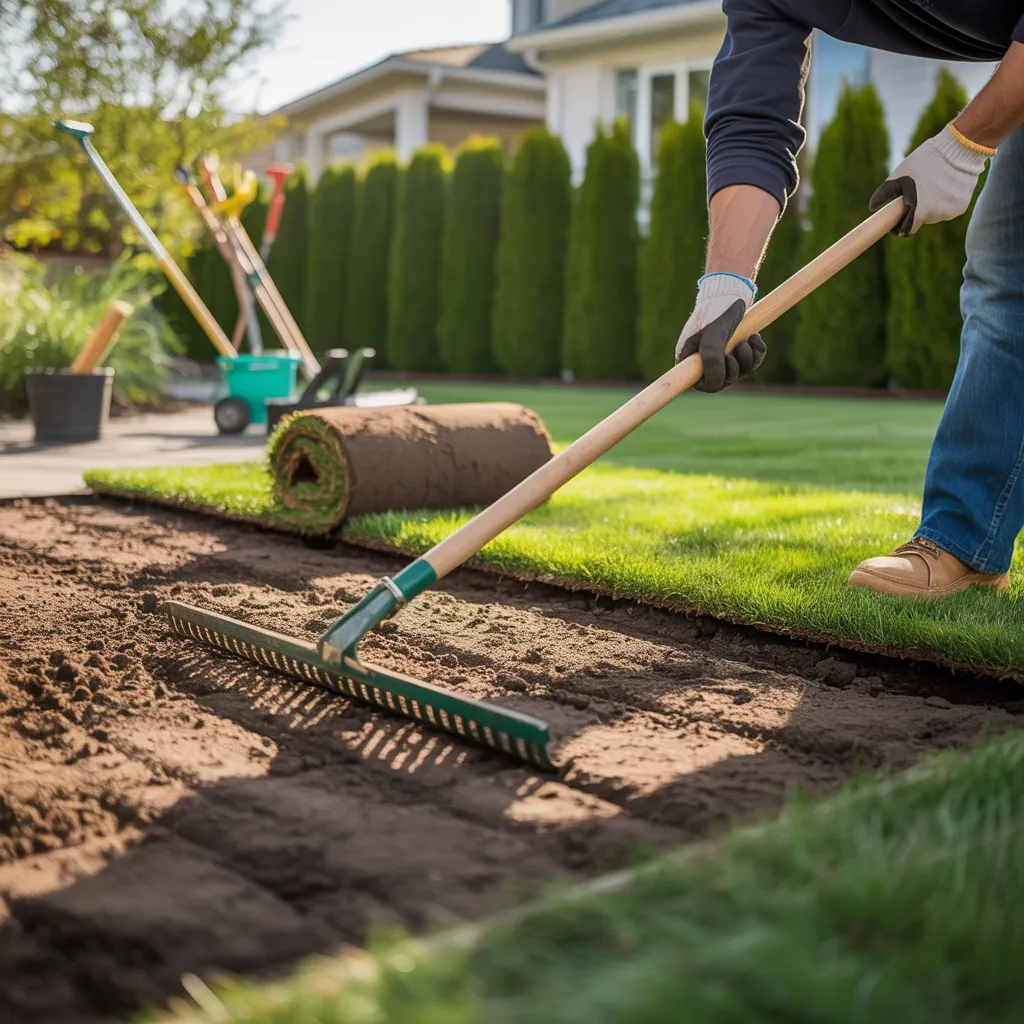
Picking the Appropriate Type of Sod for Your Local Weather
When selecting sod, what's the best way to identify which variety fits your climate? Begin by assessing your area's weather patterns. Warm climates call for warm-season grasses like Bermuda or Zoysia, which flourish in high temperatures. Cool-season grasses such as Kentucky Bluegrass or fescue are perfect for cooler climates, where they excel in moderate temperatures. Consider your soil conditions and sun exposure also. Some options thrive only in full sun, but others adapt to shadier conditions. It's vital to pick a variety that corresponds with your setting to secure a healthy, green lawn. Keep in mind the maintenance demands; some grasses require more irrigation and trimming than alternatives. Select carefully, and you'll establish a foundation for a successful lawn.
Preparing Your Soil for Successful Sod Installation
Prior to installing your new sod, it's essential to prepare your soil properly to secure a thriving lawn. Begin by removing the area of any debris, rocks, and old grass. Afterward, test your soil's pH and nutrient levels; this will assist you in determining if you need to amend it. If necessary, add organic matter like compost to enhance soil structure and fertility. Smooth out the soil to create a even, uniform surface, ensuring proper drainage. Aerating the soil can also improve root penetration. As a final step, water the area moderately to wet the soil without making it soggy. By completing these tasks, you'll set a solid foundation for your new sod to thrive and develop a vibrant, green lawn.
Guidelines for Laying Your Sod Correctly
Now that you've prepared your soil, it's time to place your sod the right way. You'll want to arrange the pieces in staggered rows for a seamless look, and don't forget to keep them watered consistently. Adhering to these instructions will ensure you get a lush and vibrant lawn.
Ready The Soil Appropriately
To create a lush, healthy lawn, getting the soil appropriately is essential before installing your sod. Commence by removing the area of any debris, rocks, and weeds. Next, use a garden tiller to break up the soil to a depth of about 3 to 4 inches, verifying it's loose and aerated. Next, level the soil with a rake, filling in any low spots and leveling high spots. It's also vital to test the soil's pH and nutrient levels; you may need to add amendments like compost or fertilizer to create perfect growing conditions. Finally, water the soil lightly to help it settle, getting it ready for your new sod to thrive.
Place Sod In Staggered Rows
When preparing to lay down your sod, it's crucial to do so in staggered rows for perfect coverage and a seamless appearance. Start by placing your first piece along a straight edge, making sure it fits snugly against any borders. When you place the next piece, offset it by half the length of the previous piece. This staggered pattern assists in avoid gaps and decreases the chances of weeds appearing later. Continue this method across the entire area, trimming pieces as needed to fit around edges or obstacles. Take your time to align each piece precisely, keeping the seams tight. By positioning sod in staggered rows, you'll create a lush, uniform lawn that's visually appealing and healthy.
Water And Maintain Regularly
After you've installed your sod, consistent watering and maintenance are vital to establish a healthy lawn. Commence by giving your new sod a deep soak straight after installation. During the initial two weeks, water it daily, seeing to it that the soil remains moist but not saturated. After this time, you can reduce watering to every other day, depending on the weather.
Along with watering, keep an eye on your sod for any signs of stress or pests. Mowing should begin when the grass reaches about 3 inches high—avoid cutting more than one-third of the blade at a time. After that, apply a starter fertilizer after two weeks to promote root growth. With regular care, you'll soon enjoy a lush, green lawn.
Watering Newly Laid Sod: Important Techniques
Proper watering of new sod is crucial for developing a healthy lawn, and doing it correctly can make all the difference. Begin watering the sod immediately after installation to ensure the roots don't dry out. Target about 1 to 1.5 inches of water per week, adapting based on weather conditions. Throughout the first two weeks, water daily to keep the soil consistently moist; this helps the roots establish. You can lower the frequency to every other day after that. Water early in the morning to limit evaporation and fungal growth. Focus on the edges of your sod, as they typically dry out faster. Always inspect the soil moisture by digging slightly to verify sufficient moisture levels.
Nourish Your Lawn Following Installing Sod
To ensure your new sod flourishes, fertilizing it soon after installation is crucial. A starter fertilizer packed with phosphorus will promote root development and help your sod settle in quickly. Spread the fertilizer within a week of laying the sod. Stick to the package instructions for the proper amount, ensuring you don't apply too much fertilizer, which can harm your new grass.
Apply the fertilizer uniformly, whether by hand or with a broadcast spreader, to eliminate patches. Water your sod once you finish fertilizing to help the nutrients soak into the soil. This feeding will give your sod the nutrients it demands during the crucial establishment phase. Remember to monitor your lawn's progress and adapt your fertilization schedule as needed to keep it healthy and vibrant.
Steer Clear of These Common Blunders When Installing Sod
As you install sod, it's tempting to skip vital steps that can create difficulties down the line. Improper soil preparation and skipping your watering plan can sabotage your investment. We'll discuss these common mistakes so you can create a healthy lawn.
Insufficient Ground Preparation
Adequate soil preparation is essential for a prosperous sod installation, yet many homeowners overlook this important step. If you want your new sod to prosper, it's important to start with the right foundation. First, eliminate any debris, rocks, and old grass to guarantee a clean surface. Next, test the soil pH and nutrient find now levels; you may need to amend the soil with compost or fertilizer. Till the top 2-4 inches of soil to support root penetration, and avoid pressing it too much. Finally, ensure the ground is level to prevent water pooling. Taking the time to prepare your soil properly can make all the difference in achieving that lush, green lawn you want.
Disregarding Irrigation Schedule
Numerous property owners fail to recognize the importance of a consistent watering schedule after installing sod, which can bring about disappointing results. Right after laying the sod, you need to thoroughly soak it to help the roots establish. For the first two weeks, water daily, ensuring the soil stays moist but not soggy. As the sod begins to root, you can gradually decrease the frequency to every other day, then to twice a week. Remember, during hot or windy days, you might need to adapt your watering to prevent drying out. Ignoring this schedule can cause your sod to wilt, brown, or die. So, keep an eye on moisture levels, and you'll be on your way to a lush, green lawn.
Preserving Your New Sod for Long-Term Vitality
To guarantee your new sod thrives for years to come, you'll need to prioritize consistent care right from the start. Start by watering your sod thoroughly and consistently, especially during the first few weeks. Once established, cut back watering to about once a week, but adjust based on weather conditions. Mow your sod consistently, but never cut more than one-third of the grass height at once. Feed your lawn at least twice a year with a balanced fertilizer to keep it healthy. Keep an eye out for weeds and pests, handling any issues promptly. Finally, aerate your lawn yearly to promote root growth and improve soil health. With consistent effort, your sod will thrive magnificently for years ahead.
Common Questions
What's the Timeframe for My Sod to Root Properly?
Sod typically takes about two to three weeks to establish roots, depending on weather patterns and soil composition. Throughout this period, ensure adequate watering to stimulate healthy growth and strong roots.
Can Sod Be Installed in Winter Months?
Installing sod during winter is possible, though it presents challenges. Cold weather delays root development, and the grass can be damaged by frost. If you do, guarantee proper care and monitor temperatures for the best chances of success.
What Tools Are Needed for Sod Installation?
You'll require a few essential tools for sod installation: a shovel, rake, lawn roller, sharp knife, garden hose, and a measuring tape. These will help you prepare the ground and ensure a smooth installation.
Is It OK to Walk on Freshly Installed Sod?
You should avoid walking on new sod for at least two weeks. This gives the grass time to form a strong root system. If you need to, tread lightly and reduce foot traffic to avoid damage.
How Do I Know if My Sod Is Healthy?
You can tell your sod's healthy by inspecting its color, texture, and moisture. Search for bright green blades, a tender feel, and damp soil underneath. If it returns to position when stepped on, it's doing well!